
What is Hoarding?
Hoarding is a condition in which a person has persistent difficulty getting rid of possessions, regardless of their actual value, because they feel a strong need to keep them or become distressed at the thought of discarding them.
It’s more than simply being messy, collecting things, or wanting to save money.
Signs of hoarding:
- Keeping items that most people would throw away, such as old newspapers, broken objects, empty containers, or expired products.
- Feeling anxious or upset when asked to discard possessions.
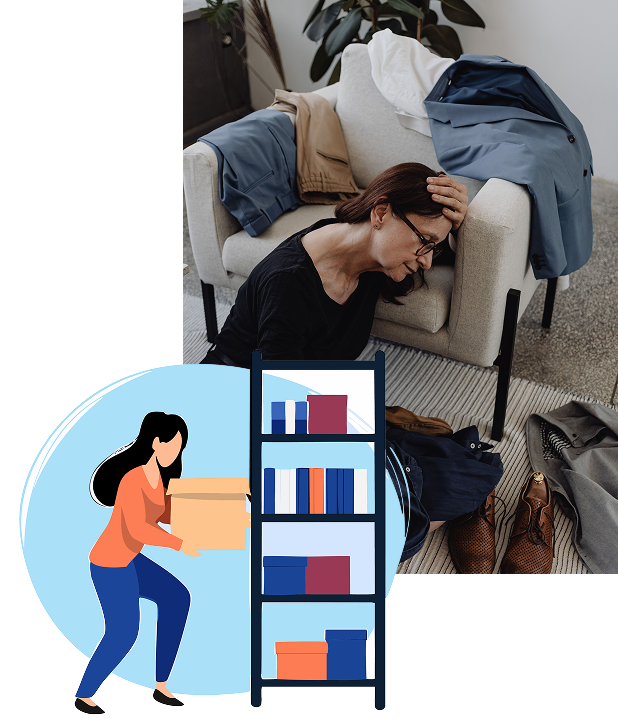
- Having rooms become so cluttered that they can't be used for their intended purpose (for example, a bed covered with belongings so it can't be slept in).
- Continuing to acquire new items even when there's no space for them.
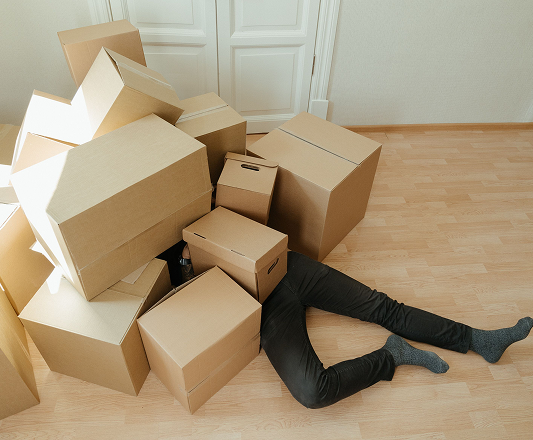
- Clutter that interferes with daily life, relationships, or safety.
How is it different from collecting?
A collector:
- Chooses items deliberately (e.g., stamps, coins, books).
- Organizes and displays the collection.
- Usually enjoys sharing it with others.
Someone with hoarding disorder:
- Saves a wide variety of items, often without a clear theme.
- Has disorganized, excessive clutter.
- Experiences significant distress or impairment because of it.
Why does it happen?
Hoarding disorder is a recognized mental health condition. Researchers believe it can involve a combination of:
- Difficulty making decisions.
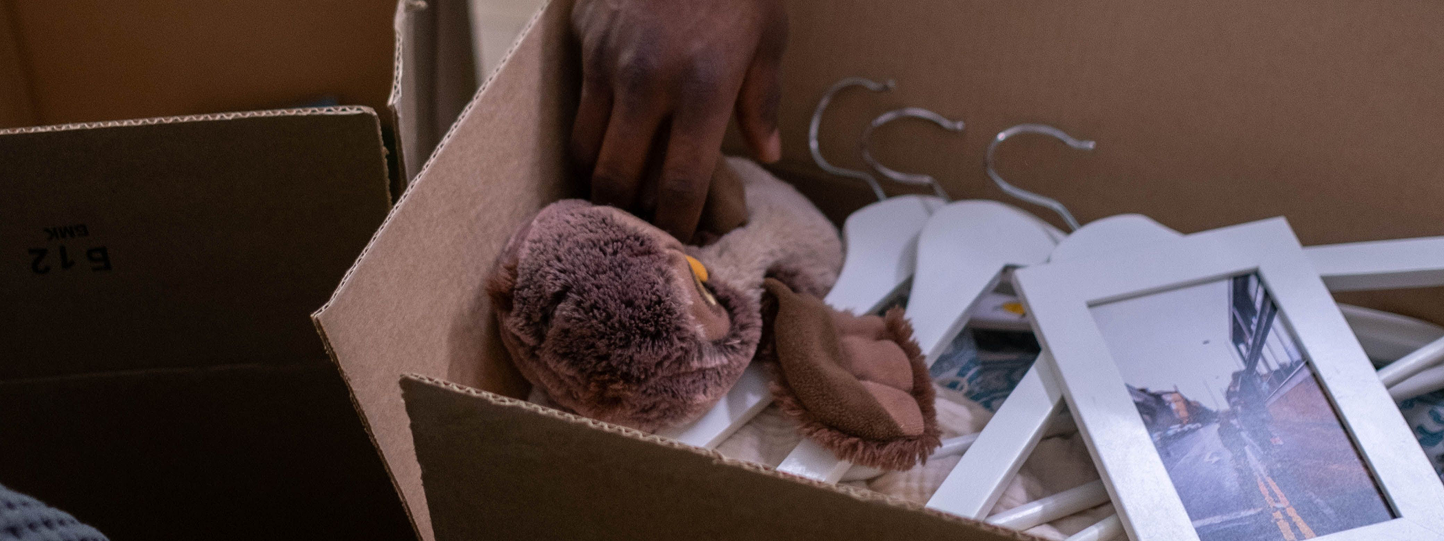
- Strong emotional attachment to possessions.
- Fear of needing an item in the future.
- Anxiety about making the wrong choice by throwing something away.
- Sometimes it begins or worsens after a stressful or traumatic life event.
It often develops gradually over many years.
Can it be treated?
Yes. Treatment may include:
- Cognitive behavioral therapy (CBT) tailored specifically for hoarding.
- Practical, step-by-step decluttering strategies.
- In some cases, medication may help if anxiety, depression, or obsessive-compulsive symptoms are also present, though medication alone is usually not enough.
It’s important to recognize that simply telling someone to “throw things away” is rarely effective. For someone with hoarding disorder, discarding possessions can cause intense anxiety, so treatment focuses on building decision-making skills and reducing that distress over time.
Many people save more than they’d like or have a cluttered home from time to time. Hoarding disorder is diagnosed when the difficulty discarding possessions leads to significant clutter and interferes with normal living or safety.